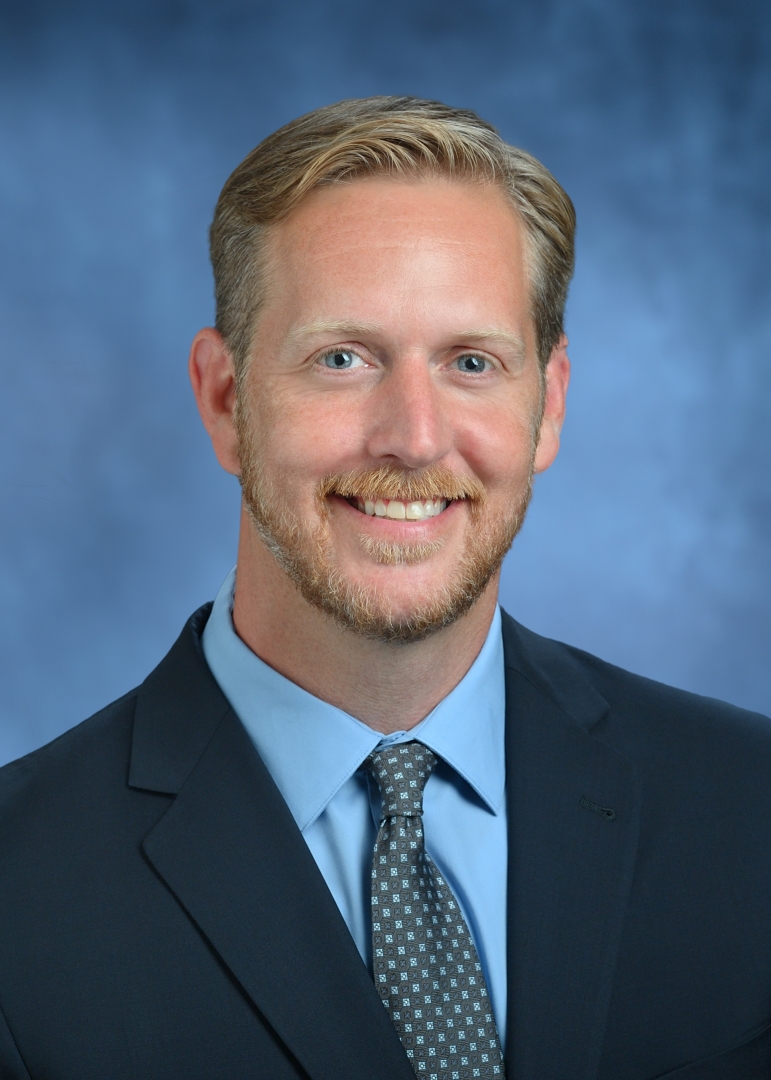
Andrew D. Hevesi was first elected to serve the residents of the 28th district in the New York State Assembly on May 10, 2005. A lifelong resident of the area, Assemblyman Hevesi is privileged to represent the constituents of Forest Hills, Rego Park, Ridgewood, Richmond Hill, Middle Village, Glendale, and Kew Gardens.
In his time as representative for our communities, Assemblyman Hevesi and his staff have assisted tens of thousands of constituents.We pride ourselves on our hands-on approach to each unique constituent case.
In addition to his work locally, Assemblyman Hevesi was appointed Chair of the Assembly Standing Committee on Children and Families in 2021, having previously served as the Chairman of the Assembly Social Services Committee from 2015-2020.
Laws written by Assemblyman Hevesi
- Authorized the use of body imaging scanning equipment in certain facilities for youth and adolescent offenders placed with or committed to the office of children and family services. Over recent years, New York has seen significant increases in incidents of dangerous contraband entering juvenile justice facilities. Despite staff training on contraband detection at high-risk intake points and coordination with local law enforcement to assist in detection, dangerous items continue to find their way in, posing a significant risk to both youth and staff safety. This law permits the use of a flexible technology with real-time, in-program, immediate impact. Radiological searches will reduce the amount of contraband entering facilities and would limit the need for more invasive physical searches, while enhancing safety for both staff and youth who are detained or committed.
- Replaced Anonymous Reporting with Confidential Reporting to the New York State Central Register of Abuse and Maltreatment. New York’s child protection system has allowed anonymous reports to trigger Child Protective Services investigations even though they account for a disproportionate share of reports that are ultimately deemed unfounded. As a result, an estimated 10,000 New York families each year are subjected to months of intrusive investigations, only to later be cleared of any wrongdoing, often based on reports that are intentionally false or for the sole purpose of harassing the family being reported.This reform comes to a reporting system that has long enabled harassment, traumatized families and children, and disproportionately harmed communities of color.
- Prohibited the arrest and prosecution of any child under 12 years old, barring crimes of homicide. Since 1909, New York State has allowed children as young as 7 to be arrested and prosecuted as juvenile delinquents and allowed for children as young as 10 to be detained in secure facilities. This law creates differential response programs and services for children under the age of twelve who would have otherwise been brought within the jurisdiction of family court and the juvenile justice system.
- Increased penalties for repeat Perpetrators of Domestic Violence that violate orders of protections and commit the most serious crimes including physical abuse and stalking. Added a prior conviction for aggravated criminal contempt to the list of predicate offenses for criminal contempt in the first degree.This was the first law the Assemblyman wrote in his tenure in the legislature.
- Expanded the Kinship Guardianship Assistance Program (KinGAP) definition of “prospective relative guardian” to include “fictive kin.” Fictive kin are people who are like relatives and may include a stepparent, neighbor, or family friend that are deemed eligible by a family court judge to care for a child.This change in KinGAP expanded the options for children exiting the foster care system, allowing them access to a permanent home with a familiar person who can receive a subsidy to care for the child.
- Terminated subsidies being provided to Adoptive Parents – specifically those for disabled or hard to place children – who are no longer taking care of those children.
- Implemented the safe landings for youth leaving foster care act, or “Safe Landings Act” – to support young people as they exit foster care and connect them to supports they were legally entitled to by court order but did not receive when they were in the foster care system.
- Required Direct-Care Domestic Violence workers be trained in recognizing Adverse Childhood Experiences (ACEs) - so they can provide comprehensive trauma-informed services to both parents and children. This is the first time the term ‘Adverse Childhood Experiences’ is codified into New York State Statute. ACEs have both short and long-term implications for a child’s health and mental health and frequently lead to alcohol and substance abuse, self-harm, suicide, homelessness, incarceration and or unemployment.
- Extended the statute of limitations for a Survivor of Human Trafficking to bring a civil court action against the perpetrator, or anyone who knowingly profited from these crimes. The law adds 5 years to the current 10-year statute of limitations for those trafficked as adults and adds 12 years for individuals that were trafficked as minors and persons with disabilities who previously had to file civil claims within 3 years after their 18th birthday or were found to be no longer incapacitated. This law also expands the type of compensation survivors are entitled to.
- Enabled Survivors of Domestic Violence to terminate leases in unsafe residences. This law ensures the immediate well-being of survivors without forcing them to incur undue financial burdens.It eliminated the requirement in the lease termination procedure that a survivor obtain a Court Order of Protection and the provision requiring that a survivor notify a co-tenant who is their abuser prior to securing the lease termination.It also expanded the categories of documentation required to corroborate the tenant's status as a Domestic Violence Survivor to include: police reports, medical reports, and certifications from domestic violence service providers as well as Orders of Protection. The statute also eliminates the requirement that the tenant seeking to terminate a lease be current on rental payments and establishes a defense to a subsequent legal action for rental arrears brought by the landlord.
- Exempted contributions to New York Achieving a Better Life Experience (NYABLE) savings accounts from public assistance evaluations in order to assist disabled New Yorkers build savings for medically necessary equipment without losing their public assistance benefits.
- Allowed youth aging out of foster care to receive the Child Welfare Housing Subsidy while living with a roommate. This law has increased the housing options for youth aging out of foster care and in turn, helped prevent young people from falling into homelessness.
- Updated the existing statute governing how the Office of Children and Family Services (OCFS) sets and revises Staff-To-Child Ratios for Licensed Child Care Providers to address outdated staffing rules that limit childcare capacity across the state. This will allow statewide standards to more closely reflect New York City’s existing framework, helping providers safely serve more families, expand infant and toddler care, and reduce waitlists – while maintaining strong quality and safety standards.
- Increased Child Care access through a Property Tax Abatement to incentivize building Child Care Centers in New York City. This law increases the existing abatement and provides an enhanced abatement for building additional childcare slots in childcare deserts.
- Authorized the Sealing and Expungement of records in Persons in Need of Supervision (PINs) cases in family court. PINS kids are those under 18 years old who do not attend school or behave in dangerous or out of control ways, and often disobey their parents, guardians or other authorities.These children have not committed crimes.
- Required all Law Enforcement agencies and District Attorney’s offices to inform and connect, upon request, Survivors of Human Trafficking with available services.
- Required that appropriate Luggage be provided to Youth in Foster Care. This measure ensures that children and youth are treated with the dignity they deserve when they are removed from their families, experiencing changes in foster care placements, going to college, transitioning to independence, or otherwise transporting their belongings. These belongings are not disposable – they represent a child’s identity, history, and sense of stability during moments of transition.
- Required new training for all professions designated as Mandated Reporters to include protocols to 1) recognize ACEs and the five protective factors for children, 2) reduce implicit bias, and 3) assist in recognizing signs of abuse or maltreatment while interacting virtually.
- Required culturally competent long and short-term Safe Houses for Survivors of Human Trafficking in New York State. This law passed unanimously in the legislature.Services offered include case management, health care, mental health counseling, drug addiction screening and treatment, language interpretation and translation services, English language instruction, job training and placement assistance, post-employment services for job retention, and services to help the survivor and their family members establish permanent residency.
- Authorized an Enterprise approach to the detection and prevention of Fraud, Waste and Abuse in state government and the detection and prevention of improper payments of public moneys. This law saves taxpayer money by streamlining the fraud detection and prevention efforts of various state agencies into a single office in the Office of the State Comptroller (OSC) that more efficiently utilizes data across multiple agencies to better detect and prevent fraud, waste, abuse, and improper payments in state government.
- Established updated powers and duties of the Council on Children and Families. The Council on Children and Families was originally established in 1977 to coordinate New York’s health, education, and human services systems to provide more effective care for children and families.
- Required New York State to track the number of Children in Foster Care who have an Intellectual or Developmental Disability.
- Extended time frame to two years to receive updated Mandated Reporter Training to include guidance on identifying an abused or maltreated child when such child is an individual with an Intellectual or Developmental Disability.
- Allowed Severely, Permanently Disabled Individuals to renew Disability Parking Permits without having to provide an updated certification or additional medical documents, consistent with their already qualifying as a permanently disabled person.
- Permitted Child Protective Services Workers to complete certain required training through distance learning methods. This law will increase the number of Prospective Child Protective Service Workers, many of whom couldn’t complete the program due to their own family responsibilities.
- Authorized the Family Court to hear applications to change Children's Names, so that parties in Family Court are no longer forced to go to a second court to file a proceeding for a name change.
- Extended the requirement for OCFS to continue collecting and reporting statewide data on Child Welfare Preventive Services.
- Amended an error in the existing law and expanded KinGAP eligibility to include Children Surrendered from Foster Care making them and their Kin Families eligible for increased support and services.
- Required statewide training for Mandated Reporters to include how to identify an abused or maltreated child with an Intellectual or Developmental Disability (IDD). The vulnerability of this population can expose them to greater risk of potential abuse and neglect.
- Required that newborns are tested for Duchenne Muscular Dystrophy, the most common form of muscular dystrophy. Duchenne Muscular Dystrophy is a fatal genetic pediatric disease that results in progressive muscle deterioration and weakness. The disease typically presents by age 5, by then it is often too late. Early detection is crucial and this legislation requiring newborn screening will save lives and mitigate the effects of this disease.
- Mandated ACEs training for Childcare Workers in New York State
Assemblyman Hevesi Led State Budget Actions
- Nonpublic School Safety Equipment (NPSE) grant program. Secured $70 million for NPSE, an increase of $25 million, to provide security upgrades in religious and private schools across New York State. NPSE is a streamlined grant for nonpublic school safety and security equipment for the more than 1,400 nonpublic schools and approximately 400,000 students or roughly 15% of the state’s student population. Nonpublic schools have been forced to spend thousands of dollars annually on security needs, a figure that increased significantly in the last few years.
- New York State’s Empire State Child Tax Credit.
- Expanded New York State’s Child Tax Credit eligibility to include families with children under 4 years of age, who were previously excluded from accessing the credit. Prior to this change, New York was the only state in the nation to exclude the youngest children from this benefit.580,000 New York tax filers with 791,000 of New York’s children will newly be eligible to receive the credit.
- Increased the maximum benefit to $1,000 per child for those aged three and under, and $500 per child for children aged four to sixteen.
- Removed the prior earnings requirement, making the credit available to all income-qualified families, including those with no earnings. This expansion is projected to reduce child poverty statewide by more than 8 percent.
- New York State’s Child Welfare Housing Subsidy. Increased from $300 to $725 a month.The child welfare housing subsidy is designed to keep children out of foster care and assist those currently in foster care leave that system. The $300 a month level had not been increased since the child welfare housing subsidy was created in 1988 to address the growing crisis levels of children in foster care at that time. Approximately ⅓ of foster youth who exit foster care experience homelessness.
- Childcare in New York State
- Provided funding to expand the State Child Care Assistance Program (CCAP) to expand eligibility to families earning up to 85 percent of the state median income.
- Included funding for Facilitated Enrollment programs to expand eligibility to families earning up to 400 percent of the federal poverty level
- Added 10,000 additional and permanent childcare slots throughout New York State by increasing eligibility for childcare subsidies to 200% of the Federal Poverty Level statewide
- Capped statewide the childcare co-payments to 10% of a family’s income over the Federal Poverty Level
- Reimbursed providers for 24 absences per child per year
- Ensured 12 month eligibility for families in receipt of subsidies statewide
- Invested $100 million in childcare deserts
- Secured an additional $500 million in Child Care Workforce Recruitment and Retention Grants, which provided wage supplements for all 250,000 childcare workers in New York State.
- Allocated $13 million to require local social services districts to establish differential payment rates for childcare services at 10 percent higher than the actual cost of care or the market rate, whichever is less, when care is provided during non-traditional hours for children experiencing homelessness
- Freight Train Engines Upgrade. Secured Annual (since 2013) budget allocation of $3 million dollars to upgrade antiquated freight locomotive engines that run through the 28th district, as well as other parts of Queens, Brooklyn, Nassau, and Suffolk Counties. These new environmentally friendly engines have significantly reduced noxious toxins released into the atmosphere, providing relief to families that live along the railways.
Assemblyman Hevesi maintains a legislative email program that is used to update thousands of constituents on pending legislation and keep our community updated on events and programs taking place in our neighborhoods.
Whether working on individual issues for neighbors or on public policy, budgets and law in Albany the Assemblyman and his staff remain grateful for the privilege of serving the residents of the 28th Assembly District and the people of the great State of New York.
Andrew obtained his Bachelor of Arts degree in Political Science from Queens College. He served as Chief of Staff to a former New York State Assembly member, the Director of Community Affairs for the New York City Public Advocate and worked in the Domestic Violence Bureau of the Queens County District Attorney’s Office. Currently, Andrew lives in Forest Hills with his wife, daughter and their dog.