Lawmakers 36-Day Late Budget: The Reality of Albany
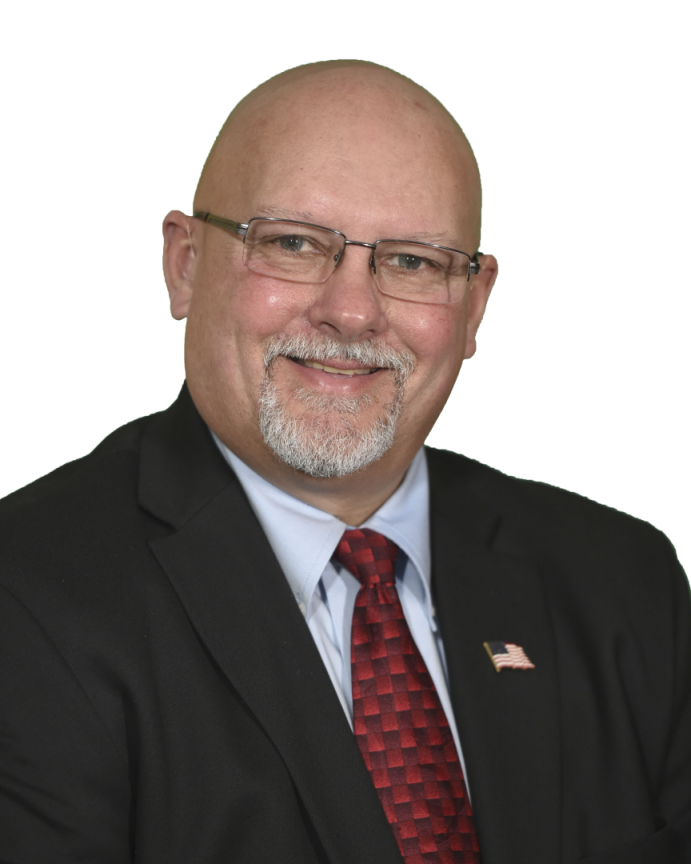
A Column from the Desk of Assemblyman Jeff Gallahan (R,C-Manchester)
New York state’s budget was due on April 1. Today, we are now 36 days past the state’s constitutional deadline, and we’ve already passed nine budget extender bills just to keep the government running.
Every week, we hear from Gov. Kathy Hochul saying, “We are close.” What she’s really talking about isn’t the numbers, it’s policy negotiations. That’s the problem.
According to Webster’s Dictionary, the definition of budget is: A statement of the financial position of an administration for a definite period of time based on estimates of expenditures during the period and proposals for financing them.
Major policy decisions belong in the legislative process, where they can be debated on the floor and voted on, not buried in a budget bill. This ensures the public has the opportunity to review the legislation, respond through their representatives and be part of the process. My constituents should not have to read through hundreds of pages of a budget bill just to find out how policies slipped in at the last minute will affect them.
As a former town supervisor, I can tell you for a fact this wouldn’t fly in local government. In towns, policy and budgets are separate. You don’t sneak policy into a budget bill to force it through. And more importantly, local government forces people to work together, lawmakers alike, because that’s the only way to get a budget done.
Albany doesn’t work that way. It’s a one-sided process controlled by a supermajority. Many of the people making these decisions represent urban areas like New York City, Rochester and Buffalo. The problem is, rural New York is different. Our towns, villages and school districts face different challenges, and the solutions to our issues aren’t the same either.
Take the electric school bus mandate under the Climate Leadership and Community Protection Act (CLCPA). It’s never going to work for the school districts I represent. And let’s be clear, this isn’t about opposing clean air or clean water. It’s about reality.
Just in the past few weeks, we saw electric buses fail in one of the more urban parts of my district, where the Canandaigua City School District had to send them back before they even became operational. If they’re not working in Canandaigua, they sure as heck aren’t going to work for the Otselic Valley Central School District.
These electric buses cost nearly three times as much as traditional diesel buses. That’s before you even get into the cost of charging infrastructure and facility upgrades. Rural school districts already have to fight tooth and nail for funding. Now they’re being told to absorb these massive costs.
School districts across the state are already laying off teachers and support staff. So, what effect would this have? It means more cuts. Sports. Music programs. Clubs. Programs that urban districts often take for granted.
It also means higher property taxes. Families already struggling to keep up with skyrocketing utility bills and grocery costs will be asked to pay even more. What are they getting in return for paying more taxes? Not more experiences or opportunities for their kids and grandkids, but electric buses, so on their hour commute back from an away basketball game late at night, they’re stranded on the side of the road because the bus didn’t have the operational capacity.
Seniors and hardworking families will be pushed to the brink. Some will have no choice but to leave their homes and communities they have called home for generations because they simply can’t afford to stay.
This brings us right back to policy items in the budget.
The governor knows the mandate to force school districts to start purchasing electric buses in 2027 is a problem. I’ve written her numerous letters, along with my colleagues, outlining all the consequences. But repealing it would never pass on the Assembly floor; it wouldn’t even be brought up for a vote.
So instead, we see policy being rammed through the budget process. Why? Because too many so-called “moderate” lawmakers are afraid to stand up to the climate cultists and members of America within their own conference, fearing that if they don’t fall in line, they’ll be threatened with a primary challenge.
That’s the reality in Albany.
You get primaried for not being extreme enough. I think all of my constituents would agree that no one believes the legislation and policy currently coming out of Albany aren’t extreme.
And who are the people pushing these drastic policy changes? Many of them have never stepped foot on a farm or visited a rural school district like those in Cortland County. Yet they’re dictating policies that will have damaging consequences for communities like ours.
These are the fights I take on every single day.
I look forward to seeing what the governor ultimately puts forward in this budget and whether there is any real effort to eliminate the mandates within the CLCPA or just push them back a year and give herself a pat on the back.
This isn’t about politics. If the electric school bus mandate is not repealed, it will have devastating financial and economic impacts on our school districts, taxpayers and communities. If the governor refuses to change course, New Yorkers will pay the price. I will keep fighting to make sure the voices of my constituents are heard.