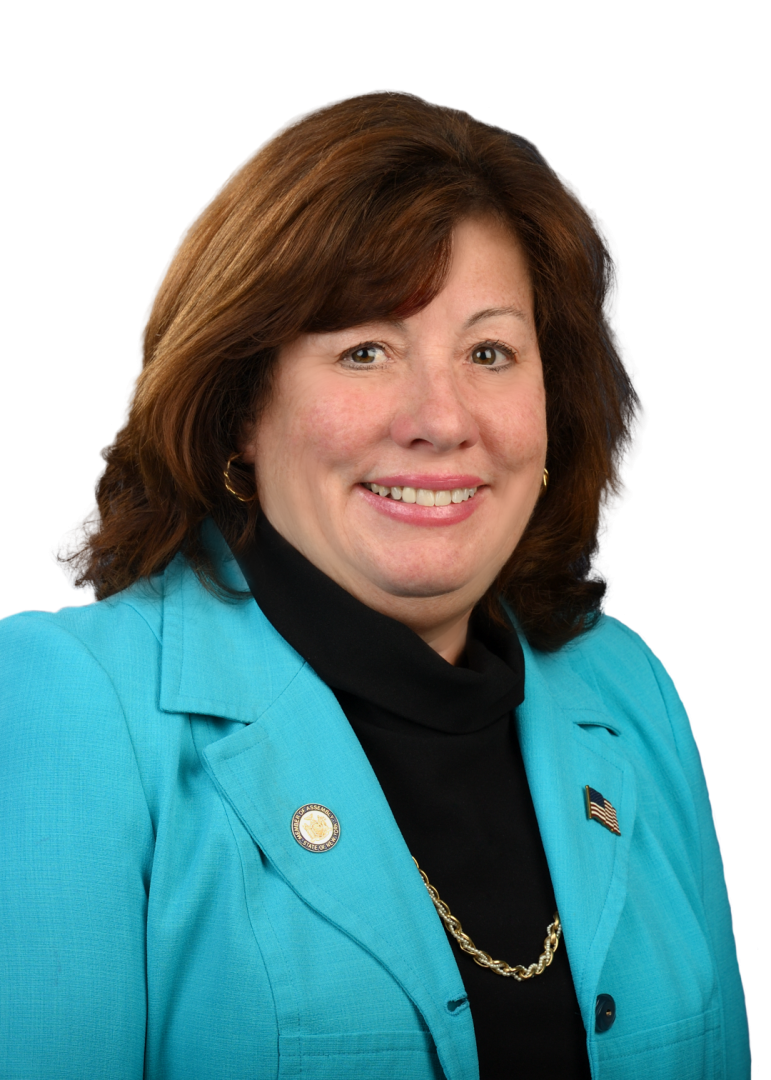
Assemblywoman Buttenschon Participates in Joint Public Hearing on Effectiveness of Programs to Assist Disabled Veterans
Albany, NY – Today in Albany, Assemblywoman Marianne Buttenschon (D-119), a member of the Assembly Standing Committee on Veterans’ Affairs, participated in a joint public hearing on the effectiveness of state and local programs for disabled veterans. The hearing was held at the Legislative Office Building by the Assembly Standing Committee on Veterans’ Affairs, chaired by Assemblyman Steve Stern and the Assembly Subcommittee on Women Veterans, chaired by Assemblywoman Pamela J. Hunter.
The hearing was convened to assess public awareness and effectiveness of the financial, employment, educational, health, and housing assistance programs New York State and local governments have established for disabled veterans, and to gather feedback from stakeholders on how to make these resources more impactful. According to the United States Department of Veterans Affairs, more than 130,000 veterans in New York State receive disability benefits. U.S. Census Bureau statistics indicate that between 2008 and 2022, the percentage of veterans nationwide with service-connected disabilities increased from 15% to 30%.
“The purpose of today’s hearing was to assess both the public’s awareness of and the effectiveness of State and local programs serving veterans with disabilities, and determine what changes may be necessary to strengthen both aspects. When our nation called, our veterans answered, they served, they sacrificed, and for many, the consequences of their service will last a lifetime. Our question today in New York State is, are we providing the necessary services to our veterans? And are we adequately serving those who served our great nation? Certainly we have programs, we have services, we have agencies that administer those programs and services, and we as the Legislature are called upon to make appropriations, but a program without access is only a promise, not a benefit ,” stated the Assemblywoman.
Testimony was heard from a range of witnesses, including representatives of the New York State Department of Veterans’ Services; Disabled American Veterans, New York Department; the American Legion Department of New York; the New York State Association of Counties and county veterans service officers; the Adaptive Sports Foundation; the Dwyer Coalition for Military Veterans and Families; and the New York State Defenders Association.
“Today, I heard testimony from numerous agencies that expressed a concern that we are not reaching our veterans in need. Locally, we are fortunate to have the Sitrin Military Program that assists our disabled veterans. The programs that they offer support to our veterans and their families as well as assist them as they navigate the services that they have earned. Our responsibility now is to make sure every veteran who needs that help knows it exists and, not only can reach it, but feel empowered to do so.”
During a panel with Disabled American Veterans (DAV), New York Department, and the American Legion, Department of New York, Assemblywoman Buttenschon noted that veterans are not a one-size-fits-all population and asked the panelists to name their top priorities. DAV pointed to free Thruway access, explaining that VA hospitals are located along the Thruway and that tolls add up for veterans traveling to appointments. It also named property tax exemptions, which it said are especially important for older veterans who rely on Social Security and do not receive outside pensions. The American Legion focused on awareness and on veterans’ reluctance to ask for help, noting that many veterans believe others are worse off and more deserving of services, and so do not seek their own until the need is great. Assemblywoman Pamela J. Hunter, Chair of the Subcommittee on Women Veterans, observed, “Another symptom of service is not speaking up (for oneself).” The Legion added that the programs and the help are there, and the biggest challenge is getting veterans to use them whether or not they know they exist. That response speaks directly to the concern the Assemblywoman raised at the start of the hearing: that a program veterans cannot reach, or do not use, falls short of what it was created to deliver.
“In Oneida County, we now have the Joseph P. Dwyer Veteran’s Project to assist our veterans, a Veterans Treatment Court, county programs, and many committed non-profits that provide services, but we need to do more and today’s hearing solidified that for me.”
Assemblywoman Buttenschon will continue to work with her colleagues, veterans’ organizations, and local partners to ensure that the programs serving New York’s disabled veterans are ones they know about and can reach.