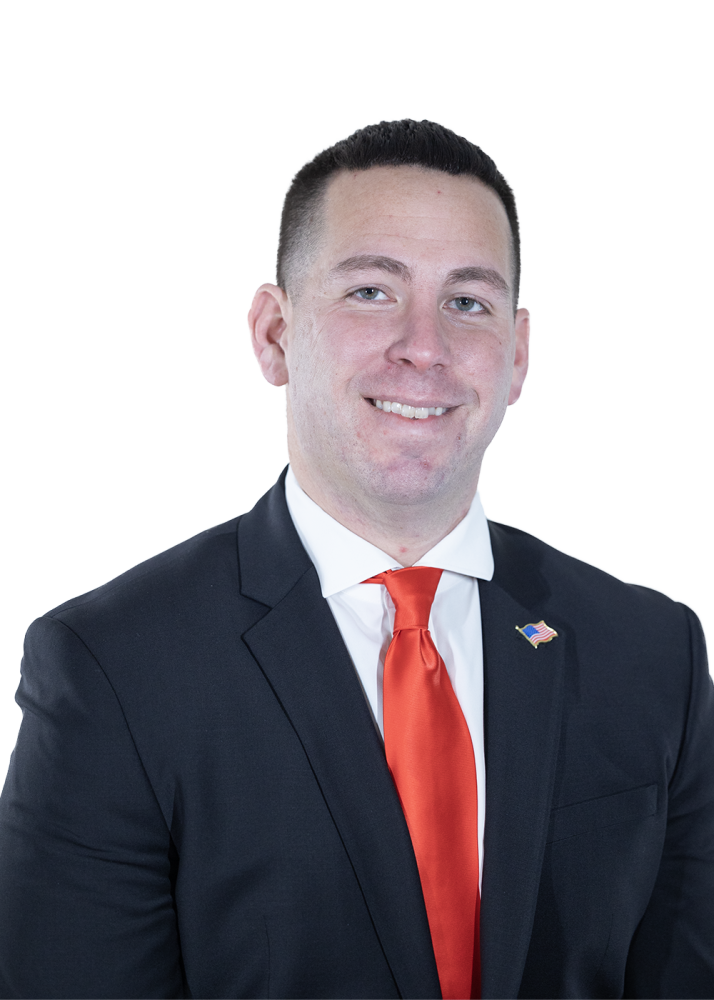
Assemblyman Maher Promotes Fountain House Study after Touring Facility and Meeting Program Leadership
A press release from Meghan Hurlburt, Assemblyman Brian Maher’s chief of staff
Assemblyman Brian Maher (R,C-Walden) is highlighting the work of Fountain House and a newly released study demonstrating the effectiveness of the clubhouse model in improving quality of life for individuals living with serious mental illness.
Last year, as a sitting member on the mental health and alcohol and substance abuse committees, Assemblyman Maher toured Fountain House and met with program leadership to learn more about the organization’s innovative approach to mental health recovery. Founded in New York City in 1948, Fountain House pioneered the clubhouse model, a community-based approach that has since expanded to more than 370 locations across nearly 40 states and 31 countries.
The organization’s recent report, Bridging the Gap: How the Clubhouse Model Addresses Quality-of-Life Disparity for People Living with Serious Mental Illness, found that participants experienced meaningful improvements in overall well-being, social relationships, housing stability, work satisfaction and other key measures of quality of life. Researchers found that members improved their quality-of-life scores by an average of 9.1 percentage points after approximately one year of participation, with nearly two-thirds of participants achieving quality-of-life levels comparable to the general population.
“A growing body of evidence continues to show that the clubhouse model works,” said Meghan Hurlburt, chief of staff to Assemblyman Brian Maher. “Assemblyman Maher was impressed by the dedication of the Fountain House team and the measurable results they are achieving for individuals living with serious mental illness. Programs like this should serve as a model for communities across New York state. As we continue addressing the mental health challenges facing our state, we must support evidence-based solutions and nonprofit organizations that are doing God’s work every day in our local communities. Fountain House has demonstrated that recovery is possible when individuals are given the support, dignity and sense of purpose they deserve.”
According to the report, members who participated in the clubhouse model saw significant gains across multiple aspects of daily life, including work satisfaction, housing, leisure activities, social relationships and overall well-being. Researchers also found that quality-of-life improvements were broadly distributed across age, gender and diagnostic groups, reinforcing the model’s effectiveness across diverse populations.
Upon Assemblyman Maher’s return from deployment this fall, he plans to convene a second mental health roundtable bringing together nonprofit providers, advocates and community leaders to further examine the clubhouse model and identify ways New York can better support successful, evidence-based programs. The discussion will also focus on strengthening collaboration among organizations serving individuals with mental illness, sharing best practices and maximizing results for the communities they serve.
Assemblyman Maher remains committed to supporting policies and programs that strengthen mental health services and improve outcomes for individuals and families throughout New York.