Maher Calls for Stronger Youth Mental-Health Education Ahead of 2027 Legislative Session
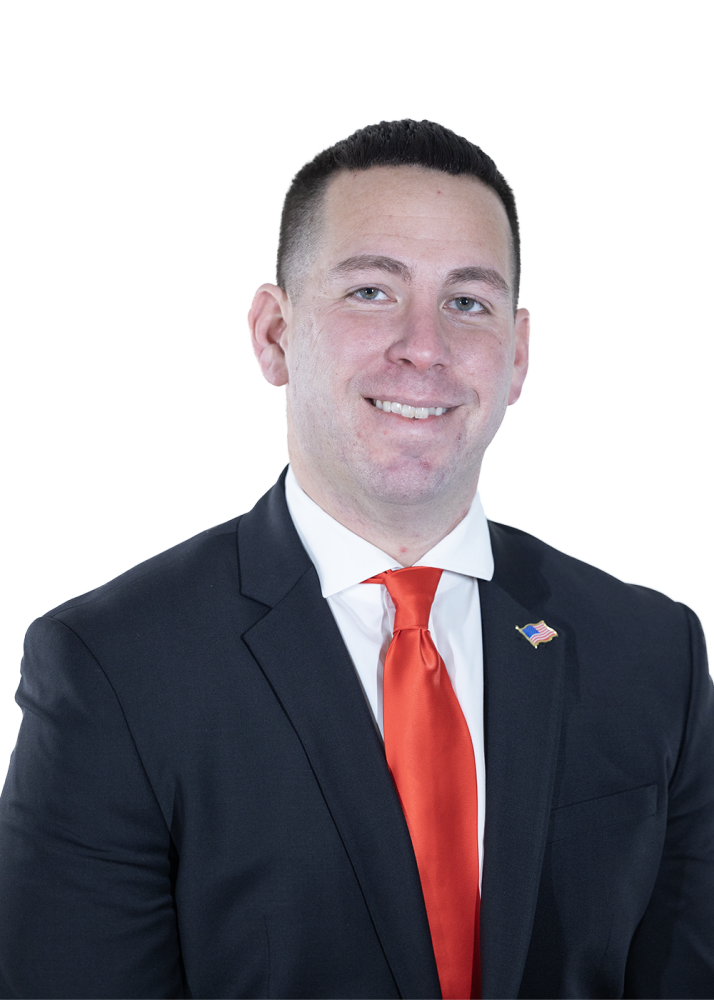
Assemblyman Brian Maher (R,C-Walden) is highlighting findings from a newly released national report on youth mental-health education and announcing plans to work with local school districts, community stakeholders, health-care organizations and legislative colleagues to identify opportunities to strengthen mental-health education and support services for New York students ahead of the 2027 Legislative Session.
The October 2026 report, Mental Health Education Policy: Model Legislation and a Roadmap for State Leaders, developed by the Mental Health Literacy Collaborative (MHLC) in partnership with the National Alliance on Mental Illness (NAMI) and Inseparable, outlines growing challenges facing schools and provides recommendations for improving mental-health education through state policy.
According to the report, more than half of public schools nationwide reported in 2024 that staffing shortages and funding limitations prevented them from adequately meeting students’ mental-health needs. Additionally, a national survey cited in the report found that two-thirds of teenagers believe schools should teach students about mental health. At the same time, 87% of parents support mental-health education in schools.
“Our young people are facing serious mental-health challenges, and we cannot afford to wait until another student reaches a crisis point before providing them with the support they need,” said Maher. “Schools play an important role in helping students recognize when they or someone they care about may be struggling, but we also need to make sure our educators and school districts have the tools and resources to address these challenges. This is an issue that impacts families in every community, and it deserves our attention as we prepare for the upcoming legislative session.”
The report emphasizes the importance of mental-health literacy, which focuses on helping students understand mental health, recognize common mental-health conditions, reduce stigma and learn how to seek appropriate support. It also highlights the need for educator training, family engagement and stronger coordination between schools and community mental-health providers.
While New York already requires mental-health education as part of its school health curriculum, the report identifies the state as an example of existing policy implementation and oversight. However, the report also underscores broader challenges facing states, including inconsistent funding, limited educator training and the need for sustainable resources to support effective mental-health education.
Maher plans to work with school districts throughout the 101st Assembly District, local stakeholders, health-care professionals and his colleagues in Albany to evaluate existing programs, identify gaps in available resources and explore potential legislative solutions ahead of the 2027 session.
“Our school districts and educators are already working hard to support students, and any effort to address this issue needs to begin by listening to those on the front lines,” Maher continued. “I want to hear directly from our schools, parents, mental-health professionals and community organizations about what is working, where additional support is needed and how the state can be a better partner. We need practical solutions that strengthen mental-health education without placing additional unfunded mandates on our school districts.”
The report also provides model legislation and examples of policies adopted in other states, offering lawmakers a framework to strengthen mental-health education, improve access to resources, and establish greater accountability for implementation.
“Addressing youth mental health requires more than recognizing that a problem exists. It requires collaboration, thoughtful planning and a commitment to giving our children the tools they need to succeed both inside and outside the classroom,” concluded Maher. “As we approach the next legislative session, I look forward to working with our local partners and colleagues on both sides of the aisle to explore meaningful solutions that put the well-being of New York's children and families first.”